
Understanding the Differences Between Commercial Power Washing and Soft Washing for Your Business

Keeping your property clean is essential for maintaining a professional appearance and protecting your investment. When it comes to exterior cleaning, two popular methods stand out: power washing and soft washing. While both techniques aim to remove dirt, grime, and stains, they use different approaches and are suited for different surfaces and cleaning needs. Choosing the right method can save you money, prevent damage, and extend the life of your building materials.

This post explains the key differences between commercial power washing and soft washing, when to use each, and practical tips to help you decide the best option for your business.
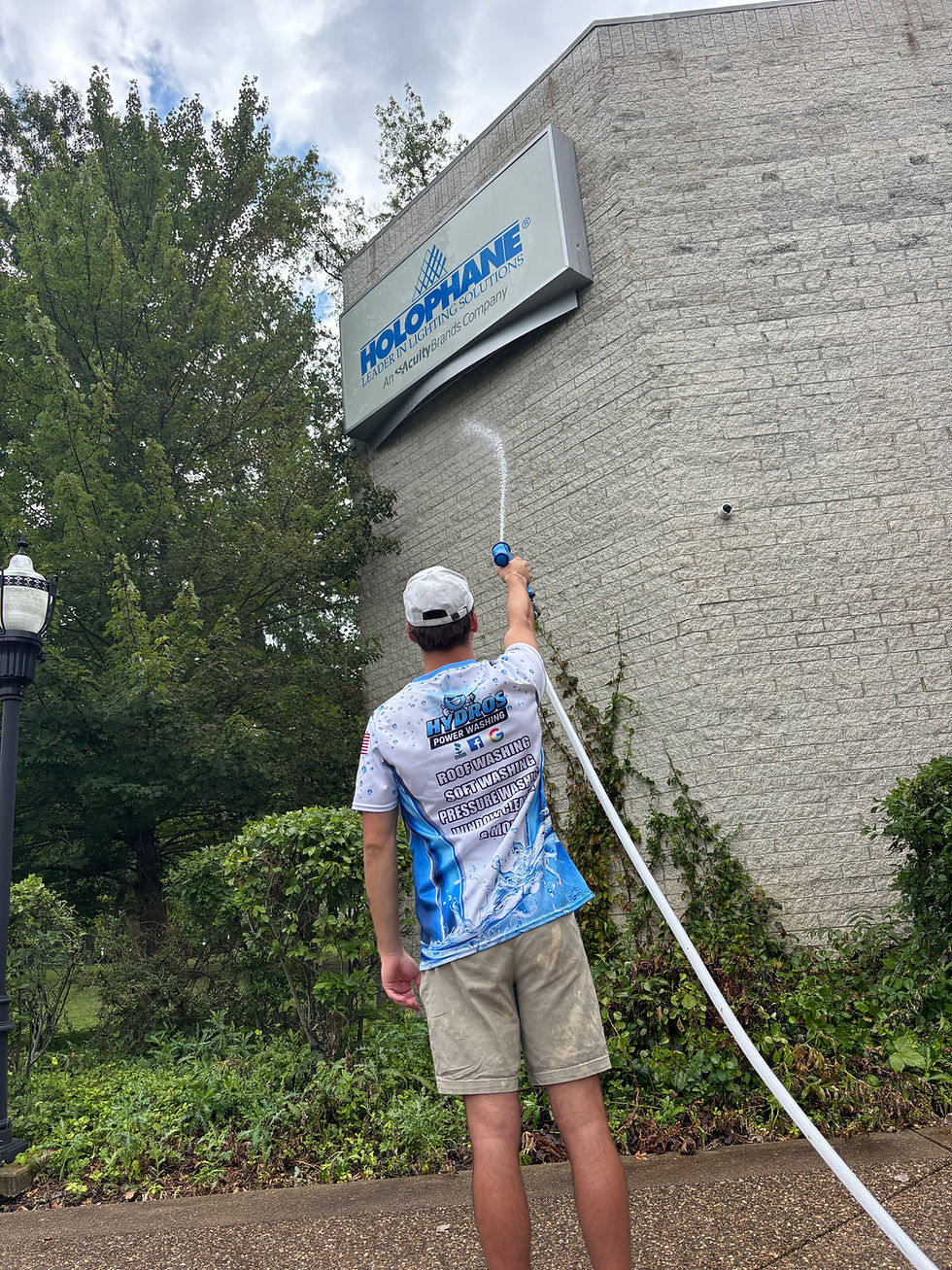
What Is Commercial Power Washing?
Commercial power washing uses high-pressure water spray to remove grease, oil, food grease, algae, and other contaminants from hard surfaces. The water pressure typically ranges from 1,300 to 3,000 psi (pounds per square inch), depending on the equipment and surface being cleaned.
Common Surfaces for Power Washing
Power washing works best on durable, hard surfaces that can withstand strong water pressure, such as:
Concrete sidewalks and driveways
Brick walls
Stone surfaces

Benefits of Power Washing
Quickly removes tough stains and buildup
Restores the look of hard surfaces
Prepares surfaces for painting or sealing
Helps maintain safety by removing slippery algae or mold
Risks and Considerations
High pressure can damage softer materials like wood, vinyl siding, or painted surfaces.
Improper use can cause water intrusion into walls or windows.
Requires trained operators to avoid damage and injury.
What Is Soft Washing?
Soft washing is a low-pressure cleaning method that uses specialized cleaning solutions combined with gentle water spray to remove dirt, algae, mold, and mildew. The pressure usually stays below 500 psi, which is much gentler than power washing.
How Soft Washing Works
A mixture of water and biodegradable cleaning agents is applied to the surface.
The chemicals break down organic stains and contaminants.
Low-pressure water rinses away the loosened dirt and cleaning solution.
The process kills mold and algae at the root, preventing quick regrowth.
Common Surfaces for Soft Washing
Soft washing is ideal for delicate or porous surfaces that could be damaged by high pressure, including:
Roof shingles (asphalt, tile, or cedar)
Vinyl, wood, or stucco siding
Painted surfaces
Outdoor furniture and awnings
Solar panels
Metal Roofs
Benefits of Soft Washing
Cleans without damaging surfaces
Kills mold, mildew, and algae to prevent return
Extends the life of roofing and siding materials
Uses eco-friendly cleaning solutions safe for plants and pets
Risks and Considerations
Requires proper chemical handling and application knowledge.
May take longer than power washing due to chemical dwell time.
Not suitable for extremely tough stains on hard surfaces.
When to Use Power Washing for Your Business
Power washing suits commercial properties with tough exterior surfaces that need deep cleaning or stain removal. Examples include:
Cleaning concrete parking lots and sidewalks to remove oil stains and dirt buildup.
Restoring brick facades covered in soot or pollution.
Preparing metal surfaces for repainting by removing rust and old paint.
Removing graffiti from durable walls.
If your building has hard surfaces that can handle strong water pressure, power washing delivers fast, effective results.
When to Use Soft Washing for Your Business
Soft washing is the better choice for commercial properties with sensitive surfaces or where mold and algae are persistent problems. Use soft washing for:
Cleaning roofs without damaging shingles or tiles.
Washing vinyl or wood siding without causing dents or water damage.
Removing mold and mildew from painted surfaces to prevent peeling.
Cleaning awnings, outdoor furniture, or solar panels safely.
Soft washing protects your building materials while providing a deeper clean that lasts longer.
Practical Tips for Choosing the Right Cleaning Method
Call the pros, OR:
Assess the surface material: Identify if your building’s exterior is hard and durable or delicate and porous.
Consider the type of dirt or stain: Tough stains on concrete may need power washing, while mold on siding requires soft washing.
Think about long-term maintenance: Soft washing prevents mold regrowth, reducing cleaning frequency.
Hire experienced professionals: Both methods require skill to avoid damage and achieve the best results.
Check environmental regulations: Soft washing uses eco-friendly chemicals that may be required in some areas.
How Regular Cleaning Benefits Your Commercial Property
Regular exterior cleaning improves curb appeal, attracts customers, and protects your investment. Both power washing and soft washing can:
Prevent costly repairs by removing harmful mold and dirt.
Extend the life of paint, siding, and roofing materials.
Create a safer environment by eliminating slippery algae.
Enhance your business’s professional image.
Choosing between commercial power washing and soft washing depends on your building’s materials, the type of dirt or stains, and your maintenance goals. Understanding these differences helps you pick the right cleaning method that keeps your property looking its best without damage.


Comments